Watercolor Floral Painting Elements: Bringing Digital Designs to Life
In the world of digital design, there's a constant search for assets that add warmth, authenticity, and a touch of handmade charm. That's where the watercolor floral painting element comes in. This isn't just a generic flower graphic; it’s a specific, high-quality digital representation of a traditional artistic technique, crafted to elevate your projects. When you acquire a pack labeled "Watercolor Floral Painting Element What’s Included," you're getting more than a picture. You're receiving a versatile tool designed for professional use.
What Exactly Are You Getting?
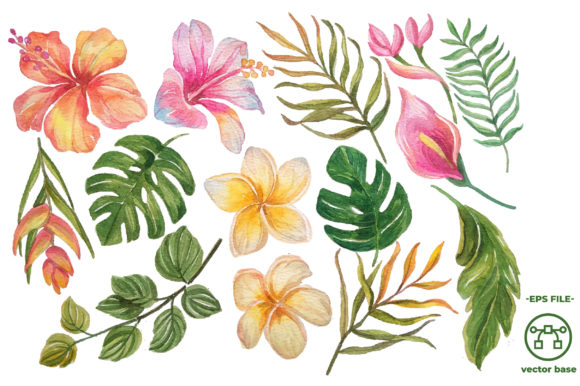
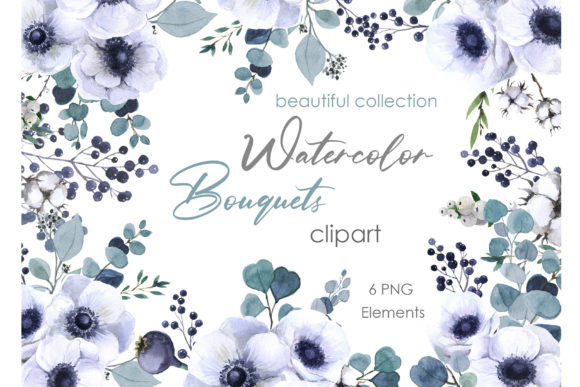
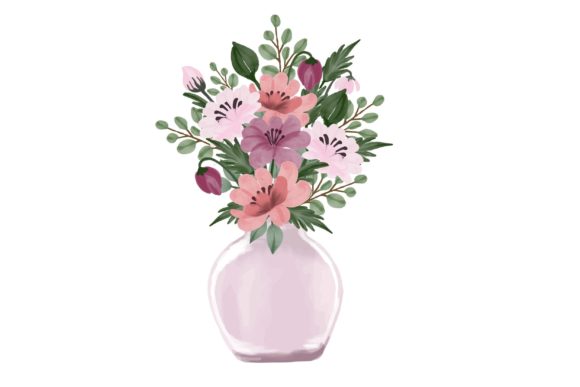
Let's break down the typical offering. A package like this usually includes a stunning floral illustration rendered in the soft, fluid, and slightly unpredictable style of real watercolor paints. The key details are often in the specifications: elements in JPG 4100 x 4100 PNG format 4100 x 4100 with 300dpi. This technical description is packed with practical meaning.
First, the size – 4100 by 4100 pixels – is substantial. This is a large-scale image, giving you immense flexibility. You can use the entire, grand composition as a full background or focal point, or you can zoom in dramatically, crop tightly on a single blossom or leaf, and still have a crisp, detailed image to work with. The dual file formats, JPG and PNG, serve different needs. The JPG is excellent for general use where a smaller file size might be beneficial, while the PNG format, especially at this resolution, is crucial for designers. It often supports transparency (an alpha channel), allowing you to place the floral element over any background without a white box behind it, making integration seamless.
The Importance of 300 DPI in Print and Digital
The "300dpi" note is a critical quality marker. DPI stands for dots per inch, a measure of resolution. For print projects – like wedding invitations, boutique packaging, or art book covers – 300 DPI is the professional standard. It ensures that when your watercolor floral painting element is printed, it appears sharp, continuous, and without pixelation. Even for digital use, starting with a high-DPI source means you have a master file. Scaling down for web use (where 72-150 DPI is typical) results in a cleaner, more refined final image than if you started with a low-resolution asset. This single watercolor floral painting element can cross mediums effortlessly.
The Unique Appeal of the Watercolor Style
Why choose a watercolor floral element over a vector graphic or a photograph? The answer lies in its aesthetic and emotional impact. Watercolor art carries certain inherent qualities: gentle color bleeds, subtle texture from the paper grain visible in the scan, soft edges, and a sense of lightness. These characteristics are difficult to authentically replicate with digital filters. Using a true scanned watercolor painting element brings an organic, artistic credibility to your work.
It fits perfectly into modern design trends that favor authenticity, craftsmanship, and a personal touch. In a digital landscape often filled with sharp, geometric, and flat designs, a watercolor floral painting element introduces contrast and warmth. It feels human-made, which can make brand materials, social media graphics, or website headers feel more approachable and connected.
Modern Workflows and Applications
How does this element fit into a contemporary designer's toolkit? Its applications are remarkably broad. Graphic designers might use it as a central motif for a lifestyle brand’s identity, layering it with clean typography. Web designers could slice portions of it to create unique, textured section backgrounds. Stationery designers, perhaps the most obvious users, will incorporate these elements into suites for events, adding a sophisticated, artistic flair that clients love.
The large PNG file with transparency is a dream for layered compositions. You can place it over photographs, color blocks, or textured backgrounds. You can adjust its opacity to make it a faint, dreamy overlay or use it at full strength for bold impact. Because it’s a single, high-resolution element rather than a cluttered bundle of small items, it offers creative freedom. You decide how to use it, crop it, and color-adjust it to suit your specific project needs.
Considerations Before Using Watercolor Elements
While the benefits are clear, there are a few practical factors to consider. The file size, due to the high resolution, will be large. This is great for quality but requires adequate storage and might slow down initial loading in some design software. Working with such a large PNG also demands a bit of technical savvy; you need to know how to handle transparency and potentially resize it efficiently for different outputs.
Another consideration is style matching. The specific color palette and brushstroke style of the provided watercolor floral painting element must harmonize with your existing project's mood. The soft, often pastel or vibrant tones of watercolor need to complement your color scheme. Thankfully, in professional design software, you can often make subtle adjustments to hue and saturation to better integrate the asset.
Finally, think about licensing. When you acquire a digital asset like this from a creator such as "desis design," always ensure you understand the usage rights. Most offerings for individual elements like this are for personal and commercial projects, but checking confirms you can use it freely in your client work, which is a major benefit.
The Value of Curated Digital Artwork
Finding a well-crafted, high-resolution watercolor floral painting element saves significant time and effort. Attempting to create this effect digitally from scratch requires advanced skill in illustration software to mimic watercolor’s randomness and transparency. Alternatively, commissioning a custom watercolor painting and then digitizing it is a lengthy and expensive process. A ready-to-use element bridges the gap, providing immediate access to a beautiful, traditional art style in a perfectly prepared digital format.
It’s a resource that encourages experimentation. You might try using it in unexpected places: as a decorative element in a digital presentation, as a textured pattern on a product mock-up, or even as inspiration for a physical painting. The "Stay connected for more digital artwork" message from the creator points to the value of building a relationship with artists who produce these resources. As you collect a set of cohesive elements from the same source, you can develop a consistent, unique visual library for your recurring projects.
In essence, a watercolor floral painting element is more than a decoration. It’s a bridge between the tactile, fluid world of traditional painting and the precise, scalable world of digital design. It empowers creators to inject organic beauty into their work with professional-grade technical quality. Whether you're designing a heartfelt invitation, crafting a brand that stands out with softness, or simply looking to add an artistic layer to your next project, this single, well-prepared element can be the key to unlocking a beautifully human touch in your digital creations.