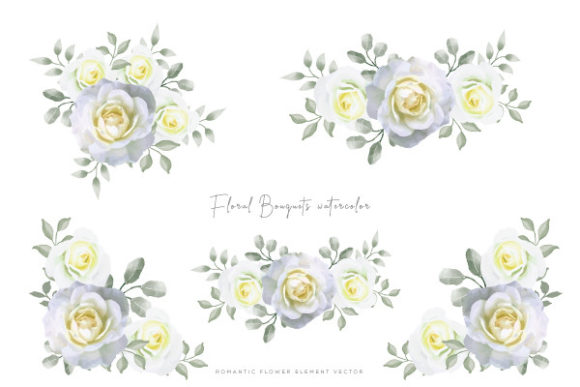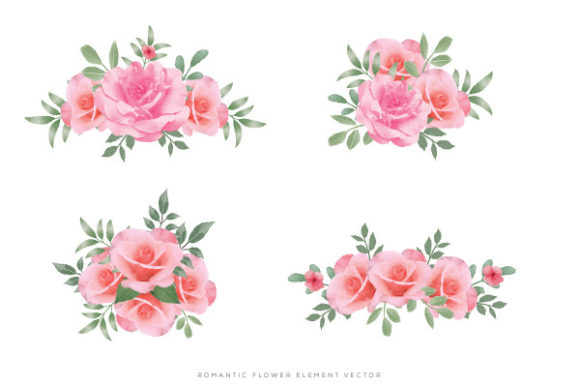
The Art of Flower Floral Watercolor Ornament in Modern Design Workflows
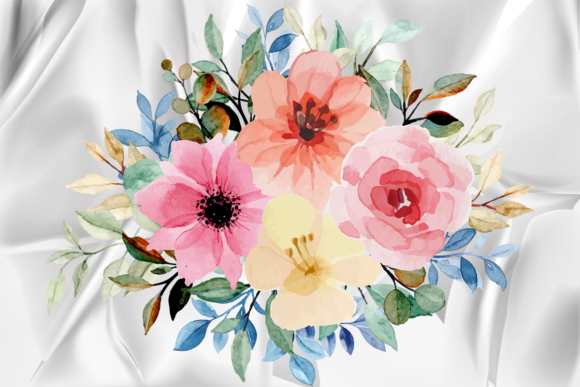
In the crowded landscape of digital assets, finding a versatile, high-quality design element that serves multiple purposes across different platforms is a significant efficiency win. The Flower Floral Watercolor Ornament design suite represents more than just a pretty graphic; it is a foundational asset designed for integration into structured creative and business processes. For professionals navigating deadlines and brand consistency, such a resource shifts from being merely decorative to becoming a tactical tool.
Understanding the Asset: Beyond a Single File
A key factor in practical implementation is understanding the format and its implications for your workflow. Receiving a ZIP package containing an EPS file, an AI file, and a PNG file is a deliberate provision for different stages and types of work. The EPS and AI files are fully editable vector formats. This means the Flower Floral Watercolor Ornament is not a static image. In Adobe Illustrator or compatible software, you can ungroup elements, change colors, resize infinitely without quality loss, or extract individual floral components. This editable nature fits directly into the preparation and customization phase of any project. The provided PNG offers a ready-to-use, high-resolution raster file for immediate placement in contexts where quick drafting is needed, such as social media mock-ups or initial client presentations.
Strategic Integration Across Project Lifecycles
The true value of this watercolor ornament is revealed in how it interacts with various project timelines and goals. Its application isn't confined to a single moment but can be utilized from conceptualization to final delivery.
During the Planning and Ideation Phase
At the outset of a project—whether it's designing a book cover, planning a merchandise line, or sketching a website layout—having a malleable visual cornerstone speeds up ideation. Designers can place the editable vector into layout software and experiment with color schemes that match the brand, adjusting the watercolor tones to evoke specific emotions (soft pastels for invitations, vibrant hues for t-shirt art). This early integration prevents the later scramble to find cohesive art, fostering a more consistent and organized creative process.
In the Core Execution of Diverse Outputs
Here, the ornament’s described versatility becomes actionable. Consider a small business owner launching a product. The same core Flower Floral Watercolor Ornament design can be the linking thread across packaging (using the AI file for die-cut outlines), stationery (like letterheads and business cards), and the website banner. This multi-use approach ensures brand cohesion without requiring the budget for multiple custom designs. For a blogger or educator creating digital resources, the PNG file can be quickly implemented into card invitations for a webinar or a social media banner announcing a new series, maintaining a professional aesthetic with minimal time investment.
For Long-Term Quality Control and Asset Management
Owning the master vector files contributes to long-term usability and quality control. As projects evolve—a logo needs a refresh, a t-shirt line expands with new colors—the original AI file serves as the single source. This avoids the degradation and inconsistency that comes from repeatedly altering low-quality JPEGs. Storing this ZIP package within a well-organized digital asset library means it remains a reusable resource for future campaigns, enhancing overall workflow efficiency over months and years.
Practical Workflow Examples and Tips
Implementing this design smoothly requires some practical considerations. First, assess software compatibility. The AI file is native to Adobe Illustrator, while EPS can be opened by many vector programs, including Affinity Designer or CorelDRAW. Ensure your workflow includes access to such software for full customization.
A typical workflow might look like this:
- Step 1: Unpack and Audit. Extract the ZIP and open the AI file. Examine the layers and groups to understand how the ornament is constructed.
- Step 2: Customize for Context. For a logo, you might simplify the design by removing some ornamental elements, focusing on a central flower. For an art print, you might enhance the watercolor background. Change colors using your project’s specific palette.
- Step 3: Export Derivatives. From your edited AI file, export specific formats needed for each platform: a transparent PNG for the website, a high-resolution JPEG for the print-on-demand t-shirt mock-up, a PDF for the card invitation printer.
- Step 4: Maintain Version Control. Save your customized versions as new project-specific files, but always preserve the original master file. This organizes your assets and prevents version confusion.
Interplay with Other Tools and Resources
The Flower Floral Watercolor Ornament does not operate alone. Its effectiveness is amplified when used in conjunction with other standard tools. In a branding workflow, it would be used alongside a mood board (defining the color and feel), a font library (selecting typography to pair with the ornament), and perhaps a mock-up generator for packaging or merchandise. In a digital content workflow, it would be placed into Canva, Adobe Express, or WordPress via the PNG for rapid banner creation, complementing your content calendar and SEO keyword planning. Its editable nature means it can also be combined with other vector assets from your library to create more complex compositions, fostering creative expansion without starting from zero.
Factors for Efficient Adoption
To fully leverage this asset, consider your typical project scope. If you frequently work across mediums—digital and print—this vector-based suite is inherently compatible. Its watercolor style, being soft and organic, fits a wide range of themes from feminine brands to wellness blogs to artistic ventures, making it a versatile choice for diverse clients or personal projects. The key to efficiency is to spend initial time customizing the master file to your broad needs (like establishing a core color set), then reusing those customized bases for subsequent projects, drastically reducing the setup time for each new task.
Elevating Outcomes Through Cohesive Design
Ultimately, the integration of a flexible, high-quality design element like the Flower Floral Watercolor Ornament is about elevating the final outcome while simplifying the process. It provides a professional aesthetic foundation that can scale. For the entrepreneur, it means packaging, social media, and merchandise look like part of a unified brand from day one. For the freelancer, it means offering clients a cohesive visual package across deliverables without excessive cost or time. For the hobbyist creating invitations or art prints, it means achieving a polished result that stands out. By fitting into the planning, execution, and maintenance phases of your workflow, this type of asset moves beyond decoration to become a strategic component in your creative and business toolkit.
The call to "take your designs to the next level" is pragmatic here. It’s not about hyperbole; it’s about the tangible upgrade that occurs when you replace fragmented, inconsistent stock images with a single, editable, multi-format asset that you control. The next level is one of professional consistency, time efficiency, and creative flexibility—all achievable by integrating such a designed ornament into your standard way of working.