Hand Drawn Floral: The Art of Flexible Design
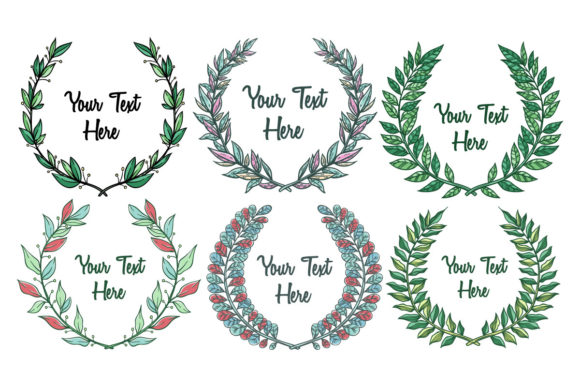
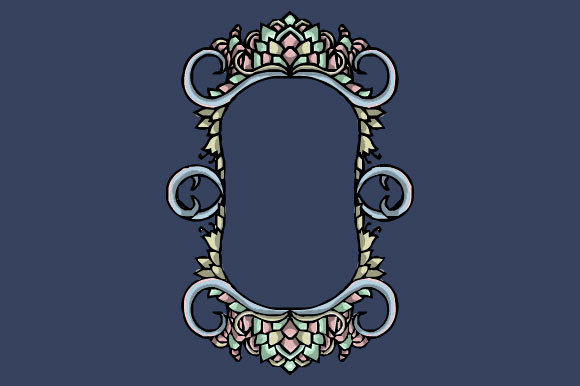
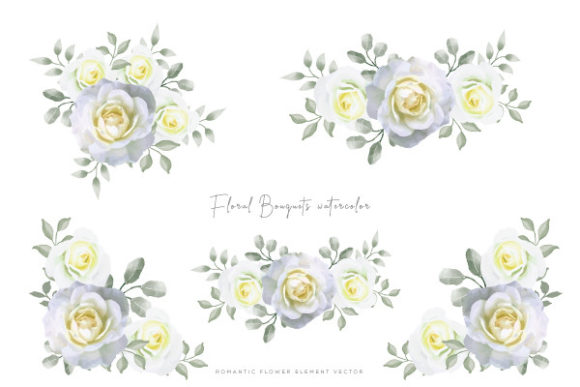
In the toolkit of a modern creator, a digital asset like a Hand Drawn Floral illustration is more than just a pretty picture. It is a foundational design element, a versatile component that you can deploy across multiple projects and stages of your creative process. At its core, this aesthetic illustration is a vector graphic, meaning it is built from mathematical paths rather than pixels. This technical aspect is the key to its practical power: it is infinitely recolorable and resizable without any loss of quality. Whether you are finalizing a brand identity or crafting a personal wedding invitation, this inherent flexibility transforms the illustration from a static piece into a dynamic resource.
Understanding the Asset and Its Formats
A Hand Drawn Floral illustration typically arrives in a bundle of file formats, each serving a distinct purpose in your workflow. The .eps and .svg files are the vector source files. These are the master keys. Working directly with these in software like Adobe Illustrator, Affinity Designer, or even some web-based tools, you have complete control. You can change every stroke's color, adjust compositions, or extract individual elements. The .png file, provided at 300 DPI, is the ready-to-use raster version. This high-resolution image is perfect for situations where you need to place the design quickly into a document, website, or social media post without needing further editing software. Having these formats means you can move seamlessly between deep editing and rapid implementation.
Where It Fits: From Concept to Final Product
The utility of a Hand Drawn Floral asset unfolds across the entire lifecycle of a project. In the initial planning and conceptual phase, it can serve as a visual anchor. For a small business owner developing a logo, this illustration might be the central motif they explore, testing different color schemes against their brand palette directly in the vector file. For a blogger designing a series of header images, the floral element provides a consistent visual thread, ensuring thematic cohesion without starting from scratch each time.
During the execution phase, its integration is straightforward. A marketer might import the .svg into a Canva project to create a set of coordinated event flyers. An educator preparing classroom materials could use the .png to decorate worksheets or presentation slides, adding a touch of organic warmth to digital content. Its hand-drawn aesthetic carries an authenticity that feels personal and engaging, a quality that stock photography often lacks. This is where the recolorability feature shines; you can adapt the illustration's mood to suit the project—soft pastels for a baby shower, vibrant hues for a summer sale, or monochrome for elegant stationery.
Integration into Professional and Personal Workflows
The true measure of a digital asset’s value is how smoothly it integrates into your existing systems and habits. For the productivity-minded user, organization is key. Treat your Hand Drawn Floral files like a primary resource. Store the vector source files (.eps/.svg) in a dedicated "Master Assets" folder within your cloud storage or local drive. The .png versions can live in project-specific folders for quick access. This separation ensures you never compromise the quality of your source material while maintaining efficiency for routine tasks.
Consider compatibility. Vector files (.eps/.svg) are widely supported by professional design software and many online platforms. Before committing to a specific tool for a project, verify it can import these formats if you plan to do custom editing. For most quick-use scenarios, the high-quality .png is universally compatible. This duality means the asset rarely becomes a bottleneck in your process; you always have a format that works.
Practical Implementation and Workflow Examples
Let's walk through a concrete example. A freelance graphic designer is tasked with creating a branding package for a local florist. They acquire a Hand Drawn Floral illustration as a core brand element. Their workflow might look like this:
- Preparation & Exploration: They open the .eps file in Illustrator. They experiment with recoloring the illustration to match the client's chosen palette—sage greens and blush pinks. They also test isolating single flowers for use as secondary icons.
- Application: Using the customized vector, they derive the primary logo. They then export specific elements as .png files for the client's social media templates. The same vector file provides artwork for the business card, the website header, and the packaging sticker design.
- Consistency & Quality Control: Because every derivative comes from the same source file, color and line quality remain perfectly consistent across all media—from a tiny web icon to a large storefront sign. The designer can guarantee brand coherence.
For a hobbyist or a publisher creating digital invitations, the process is simpler but equally effective. They might place the provided .png directly into their word processor or invitation software, adjusting its size to fit the layout. The 300 DPI resolution ensures it looks crisp when printed. The hand-drawn style gives the invitation a custom, crafted feel that elevates it above template-based options.
Long-Term Use and Asset Management
Viewing a Hand Drawn Floral illustration as a long-term resource changes how you approach it. Its vector nature means it isn't a one-use item. A year after using it for a logo, an entrepreneur might revisit the same .svg file to create anniversary sale graphics, simply by recoloring it with more festive tones. A content creator might use it as a recurring visual theme across a year of blog posts, establishing a recognizable aesthetic for their audience. This reusability offers tremendous efficiency and helps build visual identity over time.
When managing multiple such assets, establish a naming and tagging convention. For instance, "Floral_Illustration_Rustic.eps" and its derived "Floral_Illustration_Rustic_BrandBlue.png". This clarity prevents confusion and speeds up retrieval. Also, note the aesthetic style of the illustration in your records. Is it loose and sketchy, or more structured and formal? Knowing this helps you match the asset to future projects where tone and style are important considerations.
Interacting with Other Tools and Resources
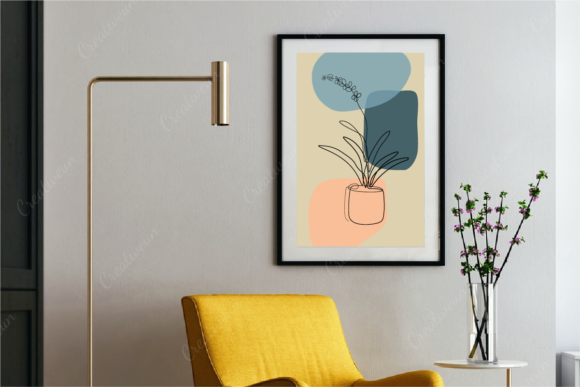
This illustration does not live in isolation. It interacts with your other design choices and tools. It can be combined with solid typography to create balanced compositions. It can be layered over background textures in photo editing software to create complex visuals. It can even be used alongside other vector icons to build intricate patterns or borders. Its hand-drawn quality often pairs well with minimalist layouts, providing a focal point of organic detail.
In collaborative environments, such as a marketing team working on a campaign, sharing the source vector file ensures everyone is working from the same exact artwork, preventing version drift and quality degradation. The asset becomes a shared standard. For the individual creator, it reduces dependency on constantly sourcing new graphics, freeing up time and cognitive load for other aspects of the project.
Ultimately, the role of a Hand Drawn Floral illustration in your workflow is defined by its adaptability. It is a seed asset. You plant it at the start of a project, and through your process—your recoloring, resizing, and creative application—it grows into the final visual expression you need. It supports planning by offering a tangible design element to build around. It enables efficient execution by providing multiple ready-to-use formats. It ensures quality outcomes through its scalable vector foundation. By integrating it thoughtfully into your digital toolkit, you gain not just an illustration, but a reliable, reusable partner for a wide array of creative and professional tasks.